
What is ERP Integration Services and How They Transform Business Operations
By Drishya | AI Content Specialist
Published on August 10, 2026 | 5 min read
For mid-size businesses, growth creates a strange problem because when a business starts to grow, systems become more disconnected and disoriented. Finance, inventory, CRM, and HR tools will land on different platforms, and none make a connection together.
This is where ERP solutions make a drastic change, and more specifically ERP integration services make the real difference. Choosing the right ERP software company will connect your disorganised data into a structured and coordinated system.
In this blog, we are exploring how ERP integration takes a step toward bringing real-time information and accuracy for a growing business.
What is ERP Integration?
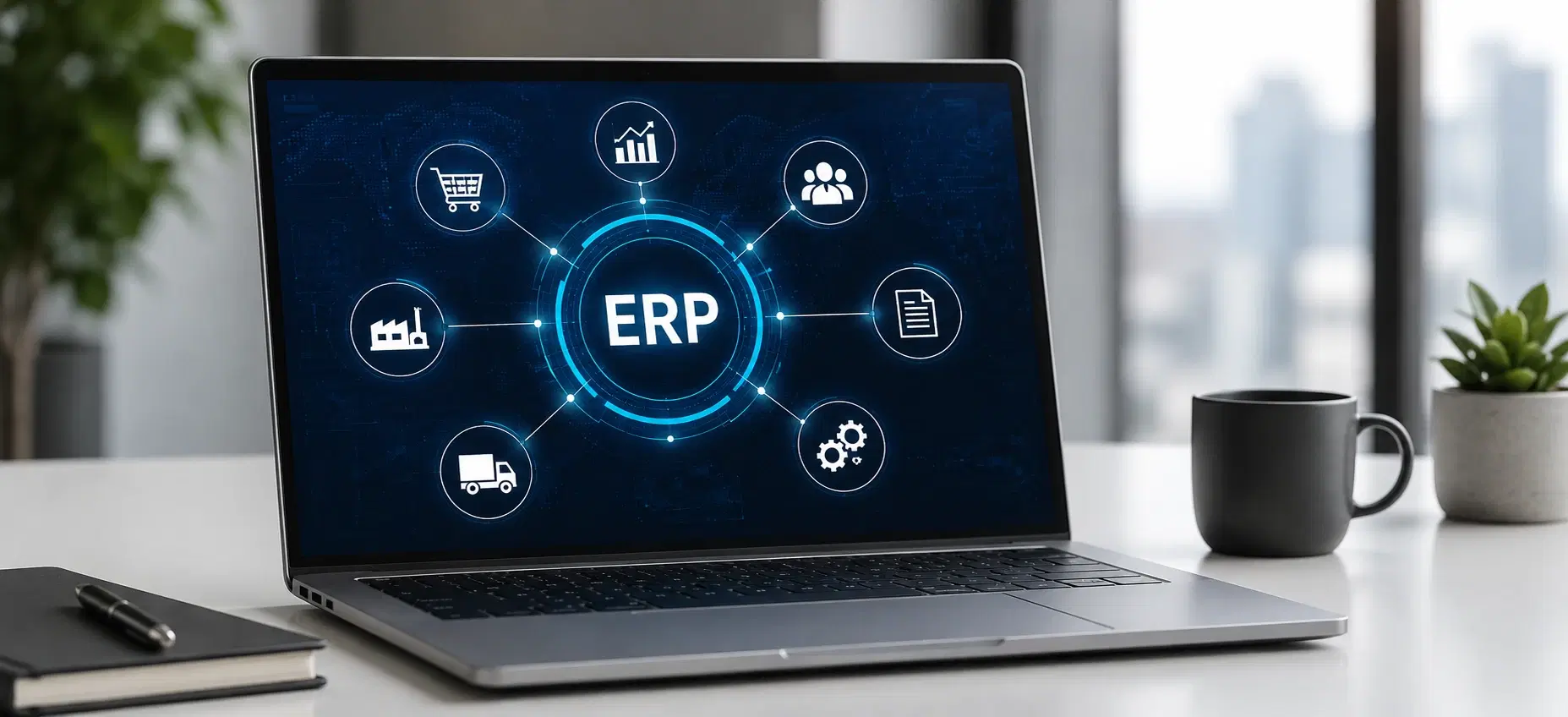
Enterprise Resource Planning (ERP) integration is the process of connecting your ERP system with other software systems that your business relies on. It includes CRM platforms, e-commerce tools, HR systems, warehouse management software, and third-party applications. This integration leads to seamless data flow automatically between these platforms and tools without manual entry.
ERP integration creates a single and reliable data connection across departments. The most valid areas ERP integration typically covers:
Data synchronisation
Process automation
System interoperability
Real-time visibility
Why Disconnected Systems Are a Bigger Problem
Data silos don’t build instantly; they happen gradually. A sales team adopts a CRM, the finance team sticks with their accounting software, and warehouse staff use a separate inventory tool, and over time these ecosystems grow and multiply with issues that cannot be resolved properly.
The real data will be scattered across different tools, and manual workloads will be added along with it. In this context, the result of most operations and finance will range into the following:
Numbers will not be matched across reports.
Numbers will not be matched across reports.
Reconciling spreadsheets will take time.
Delay in decision-making.
To resolve these issues, an integrated software solution is essential where manual effort will be reduced and deliver seamless programming. That is why ERP integration services are important to make a seamless and smart enterprise function of different tools and platforms.
How ERP Integration Transforms Business Operations
When systems are properly integrated, it transforms how businesses actually operate in day-to-day operations.

An integrated ERP system changes how a team works and leads to a proper operational quality of each platform. In this context, finance will no longer wait on manual operations to confirm numbers, daily check-ins of sales and inventory will be seamless, and leadership gets a single dashboard without any complicated results.
Here, an integrated ERP solution ensures credible financial reporting which reflects fewer emergency fixes and a structured ecosystem that is easier to maintain and scales as the business grows.
Adviciya Solutions: Making the Real ERP Connection
ERP integration is one of the core components that businesses need to make structured solutions to reduce enterprise data complexities. It ensures an intelligent and unified operational quality for enterprises to secure a reliable solution.
Adviciya Solutions ensure reliability in ERP integration services and closely work with operations, finance, and technology teams and provide real impact on efficacy, accuracy, and growth. In this context, your business builds a structure and clarity in operations rather than following disconnected and financed systems, siloed customer data, or manual processes that no longer bring any scalability.
Connect with Adviciya Solutions and assess your business operation for structure and efficacy.
FAQs
How does ERP integration services work?
ERP integration services are for connecting your ERP system with other business software. This includes CRM, HR, or inventory tools, and the integration process helps the automatic flow of data without manual entry and creates a unified view of the business process.
What is the difference between ERP integration and an ERP solution?
An ERP solution is the core software, and ERP integration is the process of connecting that software. It ensures a secure connection of everything else your business already uses and secures your systems to work together in operation.
Do mid-size businesses need ERP integration?
An ERP integration is an advantage for mid-size businesses because they run multiple specialised tools separately, and a dedicated IT resource helps all systems to work together rather than manual effort.
What is the timeline for completing ERP integration?
The timeline is analysed on the basis of the number of systems involved and complexities in the existing data. When ERP integration is completed in pages, it allows time for testing and adjustment along the way.
How do I choose the right ERP software company?
When choosing an ERP software company, look for a partner who evaluates your existing systems, because the right partner ensures a reliable design that improves the workflow and scalability.